
Search Library

Home / Search Library

Explore the knowledge, ideas and movements that shape human rights

48 results found

Clear filters
Caged in Care: Investigating Human Rights Violations in Rehabilitation Centres
Policy Briefs and Reports

Caged in Care: Investigating Human Rights Violations in Rehabilitation Centres

The NCHR report Caged in Care reveals serious human rights abuses in Pakistan's rehabilitation centres, including forced admissions, unlawful detention, excessive sedation, poor living conditions, and lack of medical oversight. Women and girls were found to be particularly vulnerable, often being confined due to family disputes or social control rather than genuine mental health needs. The investigation concludes that weak regulation and inadequate mental health laws allow many centres to operate without accountability. NCHR calls for stronger oversight, legal reforms, patient rights protections, and a rights-based approach to mental health care.
2026 English Policy Briefs and Reports Health, Bioethics and Medical Ethics
National Housing Policy
National Legislation and Regulations

National Housing Policy

The National Housing Policy 2025 of Pakistan presents a strategic framework for addressing the country’s housing challenges through affordable, inclusive, sustainable, and climate-resilient development. The policy focuses on improving access to land and housing finance, promoting low-cost and affordable housing, upgrading informal settlements, strengthening construction technologies, and improving urban planning. It also emphasizes public-private partnerships, institutional and legal reforms, and green, energy-efficient, and disaster-resilient housing. Overall, the policy seeks to create an enabling housing environment that improves access to adequate housing for low- and middle-income groups while supporting sustainable urban development.

2025 English National Legislation and Regulations Economic, Social and Cultural Rights
The Prevention of Electronlc Crimes (Amendment) Act
National Legislation and Regulations

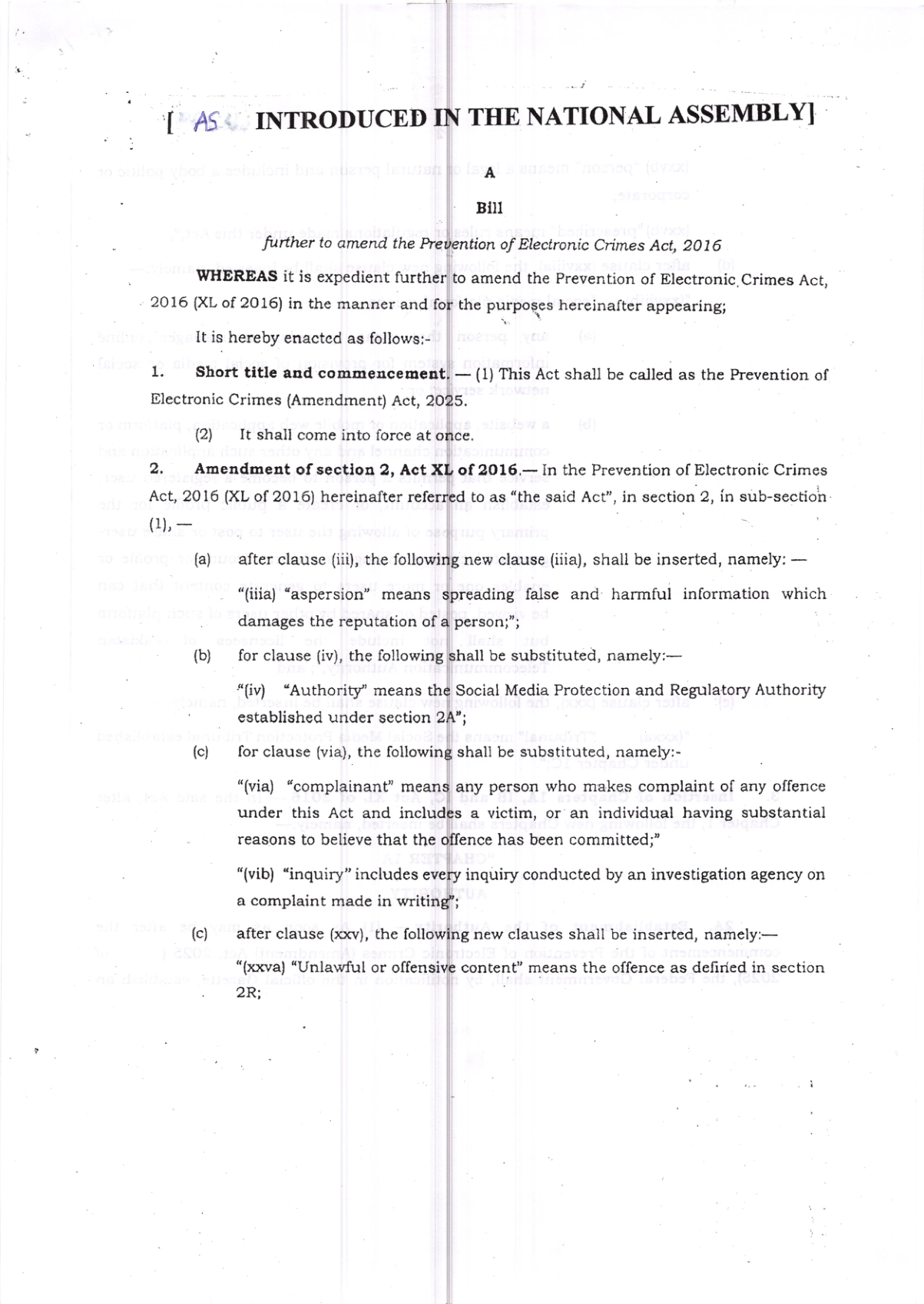
The Prevention of Electronlc Crimes (Amendment) Act

The Prevention of Electronic Crimes (Amendment) Bill, 2025 proposes significant changes to Pakistan’s Prevention of Electronic Crimes Act, 2016. Its main purpose is to establish a Social Media Protection and Regulatory Authority responsible for regulating social media platforms, addressing unlawful or offensive online content, and protecting users from online harm. The bill introduces mechanisms for platform enlistment, content removal or blocking, complaint handling, and regulation of social media services. It also provides for a Social Media Protection Tribunal and a Social Media Complaint Council to deal with disputes and complaints. Overall, the proposed amendments seek to strengthen Pakistan’s institutional framework for regulating online content and improving digital safety, while giving authorities broader powers over social media platforms.

2025 English National Legislation and Regulations Digital Rights and Artificial Intelligence
The Transgender Persons (Protection of Rights) Act
National Legislation and Regulations

The Transgender Persons (Protection of Rights) Act

The Transgender Persons (Protection of Rights) Act, 2018 is a Pakistani law designed to protect the rights and dignity of transgender persons and ensure their equal participation in society. The Act recognizes transgender persons’ right to self-perceived gender identity and provides legal protections against discrimination in education, employment, healthcare, and access to public services. It also addresses rights related to inheritance, voting, political participation, and access to identity documents. In addition, the Act calls for protection centers and safe houses and prohibits harassment and discrimination against transgender persons. Overall, the legislation establishes a legal framework for equality, protection, and social inclusion of transgender persons in Pakistan.

2018 English National Legislation and Regulations Gender Equality
Human Rights Due Diligence (HRDD) Guidebook for Responsible Business Conduct
Guidelines and Toolkits

Human Rights Due Diligence (HRDD) Guidebook for Responsible Business Conduct

Pending

2026 English Guidelines and Toolkits Business and Human Rights
Women at Work: Closing the Gap
Academic Papers and Research Studies

Women at Work: Closing the Gap

The report Women at Work: Closing the Gap, launched jointly by the European Union, the National Commission on the Status of Women (NCSW), and the United Nations Development Programme (UNDP), examines gender inequality within Pakistan’s private sector and proposes practical reforms to improve women’s economic participation. Despite progress in education and skills development, women’s labour force participation remains around 30 percent, while the gender pay gap exceeds 20 percent. Women remain disproportionately concentrated in low-paid, informal, insecure, and low-authority employment. Drawing on nationwide consultations, interviews, and an assessment of workplace policies and institutional frameworks, the report identifies major barriers to women’s entry, retention, and advancement, including workplace harassment, limited leadership opportunities, weak implementation of gender-responsive policies, and inadequate protections for informal workers. It recommends coordinated reforms in labour governance, workplace protection, leadership development, supply-chain accountability, worker infrastructure, entrepreneurship, and access to remedies. Overall, the report argues that advancing gender equality is essential not only to protecting women's rights but also to achieving inclusive economic growth and sustainable development in Pakistan.

2026 English Academic Papers and Research Studies Gender Equality
At the Margins of Protection: Child Labour in Pakistan's Private Sector
Academic Papers and Research Studies

At the Margins of Protection: Child Labour in Pakistan's Private Sector

At the Margins of Protection: Child Labor in Pakistan’s Private Sector examines the persistence of child labour within Pakistan’s private-sector economy, particularly in informal sectors and lower levels of supply chains where children remain largely outside formal protection and oversight. The report identifies poverty, limited access to education, weak enforcement of labour laws, fragmented data systems, inadequate labour inspection, and poor coordination between federal and provincial institutions as major factors contributing to child labour. It draws on legal and policy reviews, consultations across Pakistan, and interviews with relevant stakeholders. The report highlights that an estimated 8.6 million children are engaged in child labour in Pakistan and emphasizes the hazardous and hidden nature of much of this work. It calls for a coordinated, systems-based response involving stronger labour inspections, improved data systems, harmonized legal standards, education retention, social protection, livelihood support, and greater accountability of private-sector actors.

2026 English Academic Papers and Research Studies Child Rights
Left Behind: The Human Cost of Enforced Dissapearences
Policy Briefs and Reports

Left Behind: The Human Cost of Enforced Dissapearences

The report, Left Behind: The Human Cost of Enforced Disappearances, examines the continuing human, social, economic, and legal consequences of enforced disappearances in Pakistan. Rather than focusing only on missing persons and institutional mechanisms, it centers the experiences of affected families, particularly women and children. Based on interviews, civil-society documentation, and official data, the report finds that disappearances create prolonged financial hardship, legal uncertainty, psychological distress, educational disruption, stigma, and social isolation. It also identifies weaknesses in Pakistan’s institutional and legal responses, including the absence of a comprehensive law criminalizing enforced disappearance and limited support for affected families. The report recommends legal recognition for missing persons, financial and psychosocial assistance, improved case tracking, stronger accountability, and ratification of the International Convention for the Protection of All Persons from Enforced Disappearance.

2026 English Policy Briefs and Reports Civil and Political Rights
Caught in the Current: Fisherman Caught by Geopolitics and Marginality
Policy Briefs and Reports

Caught in the Current: Fisherman Caught by Geopolitics and Marginality

The National Commission for Human Rights (NCHR) report examines the prolonged detention of Indian and Pakistani fishermen who unintentionally cross the poorly demarcated maritime boundary near Sir Creek. It explains how poverty, lack of GPS/navigation equipment, harsh sea conditions, and the unresolved India–Pakistan boundary dispute contribute to these arrests. Detainees often remain imprisoned even after completing their sentences because of delays in nationality verification, consular access, and repatriation. The report highlights NCHR’s intervention in 2023, which helped secure the repatriation of more than 650 Indian fishermen, contributing to 2,661 repatriations since 2014. It recommends reviving the India–Pakistan Joint Judicial Committee, creating a public database of foreign prisoners, establishing fixed repatriation procedures, and assigning government focal persons to handle cross-border detainee cases.

2026 English Policy Briefs and Reports Civil and Political Rights
Unveiling Exploitation and Abuse in the Brick Kilns of Punjab
Policy Briefs and Reports

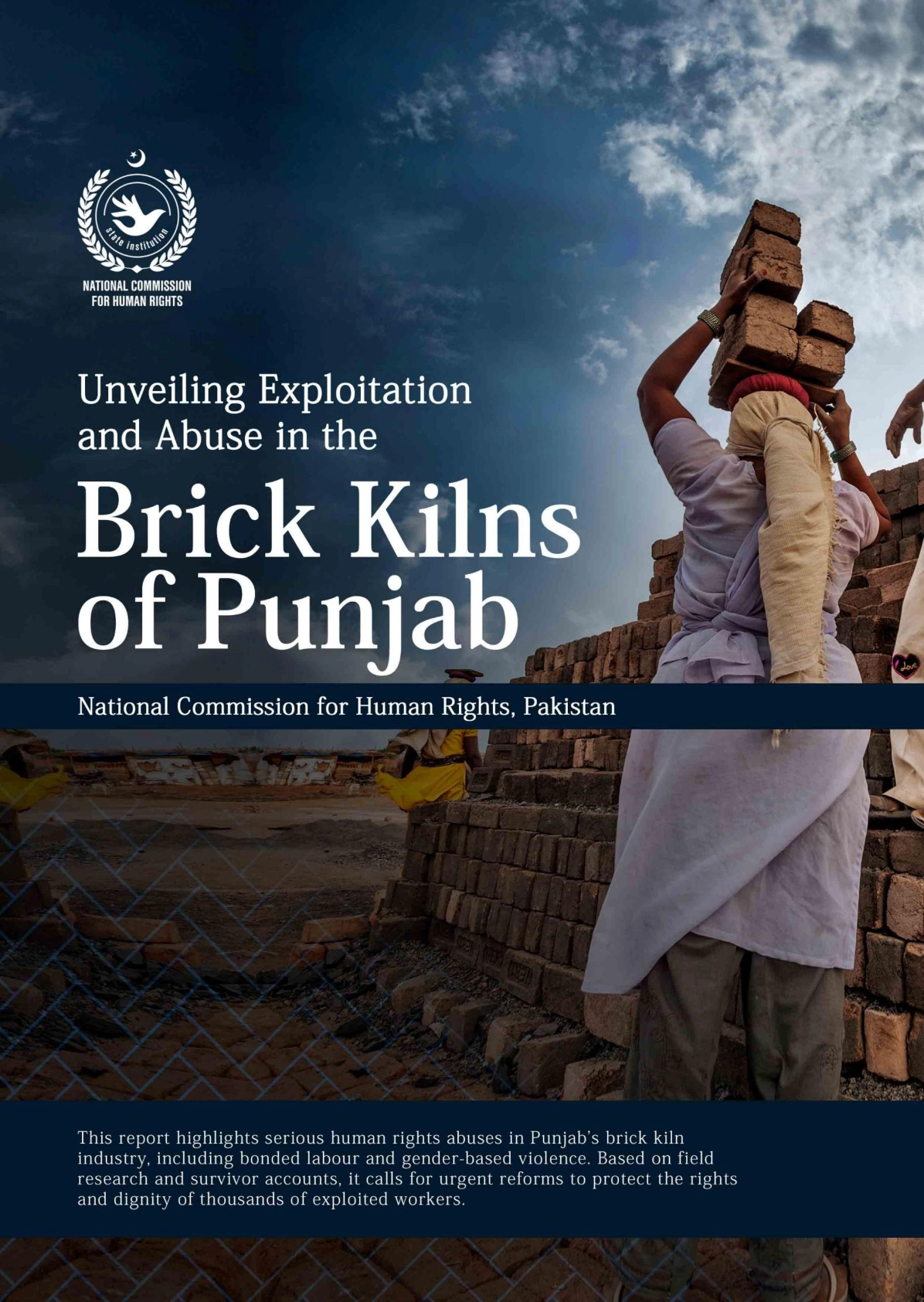
Unveiling Exploitation and Abuse in the Brick Kilns of Punjab

The National Commission for Human Rights (NCHR) report, Unveiling Exploitation and Abuse in the Brick Kilns of Punjab, examines the continued use of bonded labour in Punjab’s brick-kiln industry. It documents debt bondage, extremely low wages, lack of written contracts and social protection, unsafe working conditions, poor housing and sanitation, and serious abuses against workers. Women face additional risks including sexual harassment, forced marriage, and gender-based violence, while children are also affected by the cycle of bonded labour. The study draws on research in Faisalabad and Kasur, including surveys of 200 workers and interviews with victims. It identifies weak enforcement of labour laws, particularly ineffective District Vigilance Committees, as a major reason bonded labour persists. NCHR recommends stronger labour inspections and enforcement, gender-sensitive monitoring, better social protection, rehabilitation for rescued workers, improved complaint systems, and more ethical and transparent brick-kiln supply chains.

2025 English Policy Briefs and Reports Labour Rights
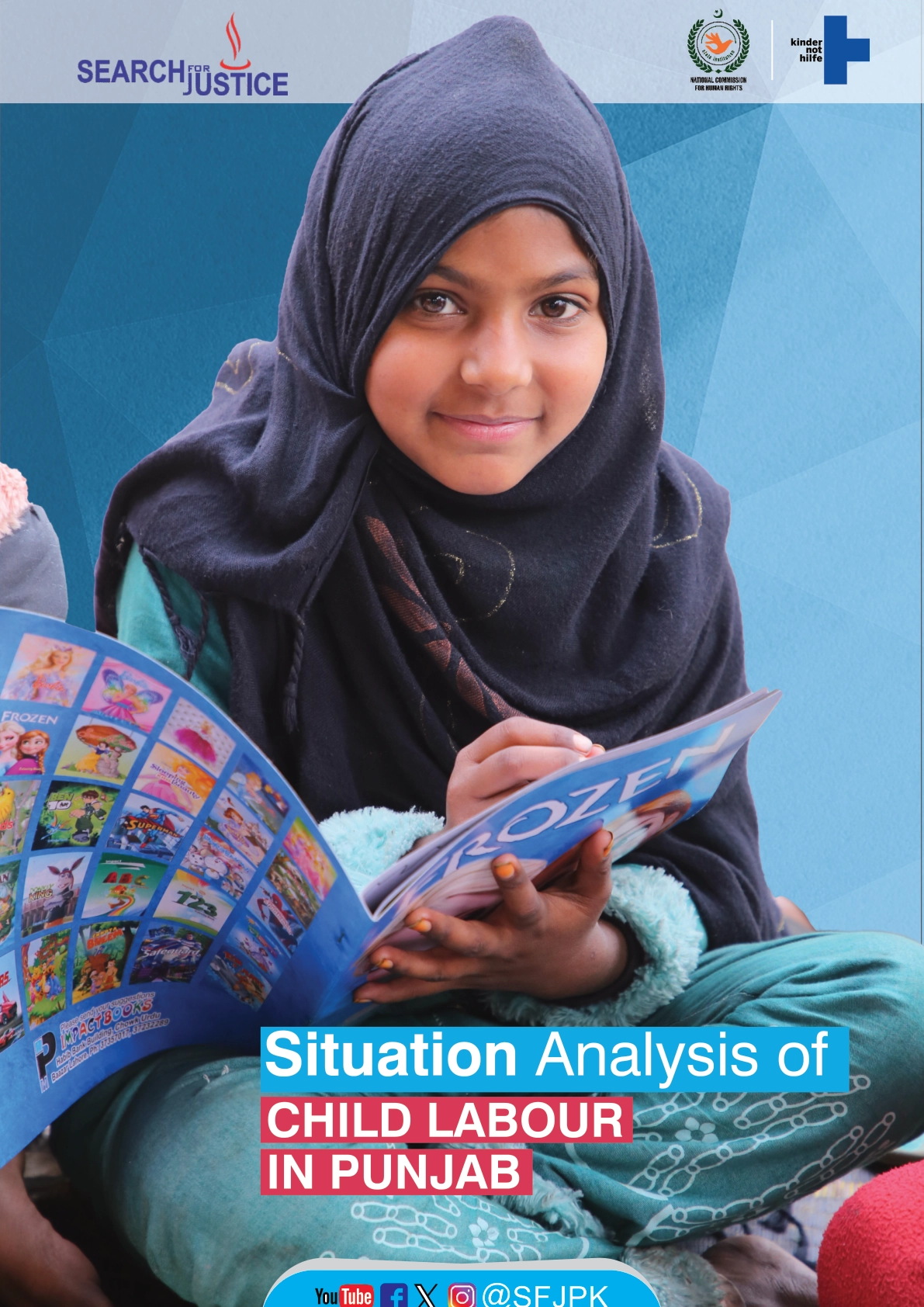
Situation Analysis of Child Labour in Punjab
Policy Briefs and Reports

Situation Analysis of Child Labour in Punjab

The National Commission for Human Rights (NCHR) report, Situation Analysis of Child Labor in Punjab, examines the scale, causes, and forms of child labour in Punjab, as well as the legal and policy framework intended to protect children. It identifies poverty, lack of access to education, social and economic pressures, and weak enforcement of labour laws as major factors pushing children into work. The report highlights the vulnerability of children working in sectors such as brick kilns, agriculture, domestic work, and manufacturing, where they may face hazardous conditions, exploitation, abuse, and exclusion from education. It calls for stronger enforcement of child-labour laws, better coordination among government institutions and other stakeholders, improved protection mechanisms, and policies that address the underlying socio-economic causes of child labour.

2024 English Policy Briefs and Reports Child Rights
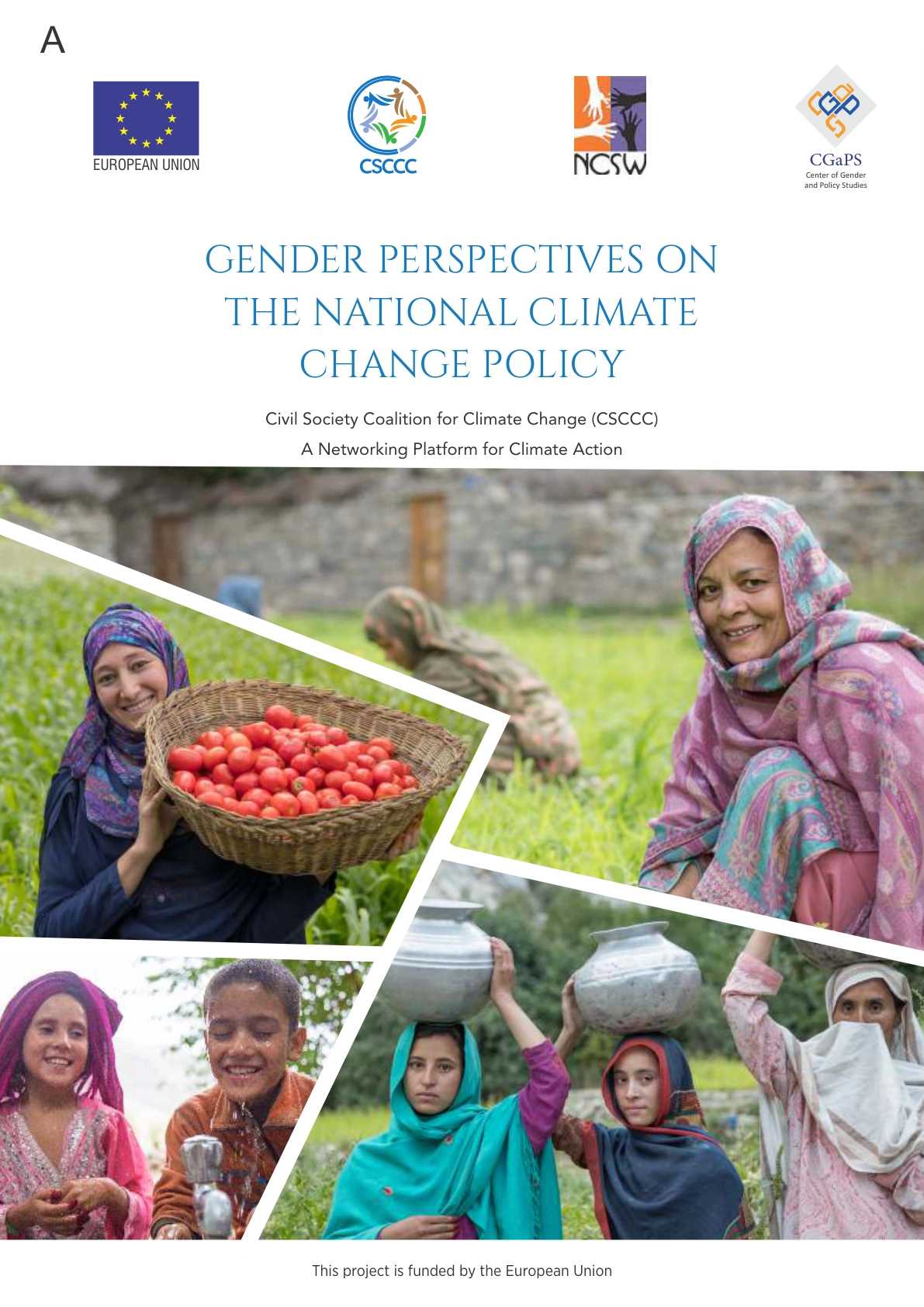
Gender Perspecives on the National Climate Change Policy
Policy Briefs and Reports

Gender Perspecives on the National Climate Change Policy

Gender Perspectives on the National Climate Change Policy examines Pakistan’s climate change policies from a gender perspective. It highlights how climate change disproportionately affects women, particularly due to their roles in agriculture, water management, household responsibilities, and care work. The report identifies gaps in Pakistan’s National Climate Change Policy regarding women’s participation and gender equality and recommends integrating gender considerations into climate planning, decision-making, adaptation, and disaster-risk management. Overall, it argues that effective climate policy in Pakistan requires women’s meaningful participation and gender-responsive approaches.

2018 English Policy Briefs and Reports Gender Equality