
Search Library

Home / Search Library

Explore the knowledge, ideas and movements that shape human rights

9 results found

Clear filters
Gender, Faith, and Resistance: Changing landscape for Women’s Movements in Pakistan
Academic Papers and Research Studies

Gender, Faith, and Resistance: Changing landscape for Women’s Movements in Pakistan

This article explores the historical trajectory of women’s movements in the Indian subcontinent, with a focus on pre and post partition of the sub-continent in 1947. It traces early feminist mobilization within anti-colonial and social reform contexts, followed by the emergence of new challenges in post-Partition nation-states. In Pakistan, the institutionalization of patriarchal norms, particularly under the Zia regime through laws such as the Hudood Ordinances, marked a significant regression in women’s rights. This article focuses on the resistance led by feminist activists and civil society organizations in the face of repression by the state, religious authorities, and conservative media. Despite systemic obstacles, women’s movements have demonstrated resilience and adaptability, continuing to advocate for legal reform, bodily autonomy, and gender equity.
2025 English Academic Papers and Research Studies Gender Equality
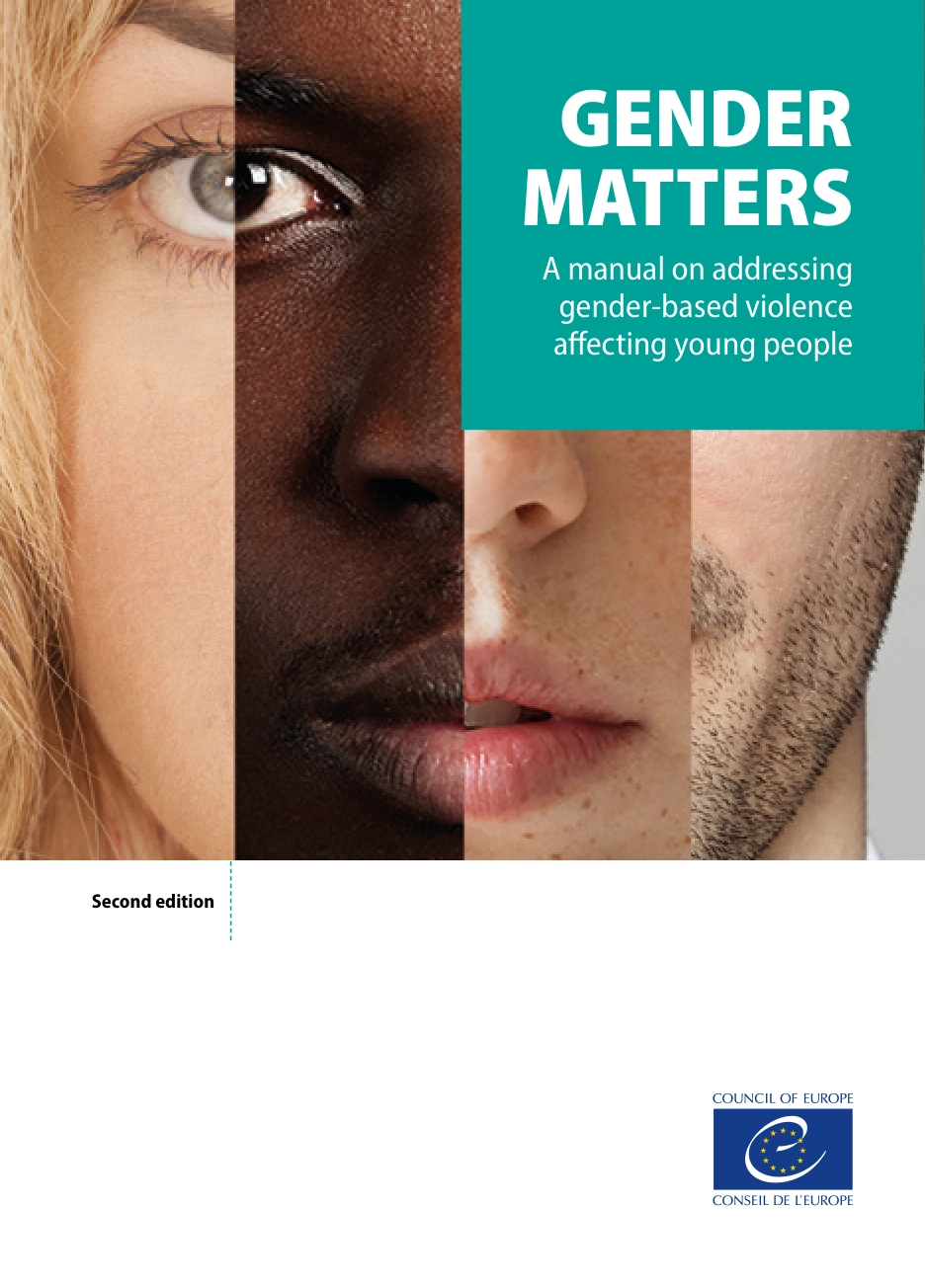
Gender Matters: A Manual by the Council of Europe
Policy Briefs and Reports

Gender Matters: A Manual by the Council of Europe

Gender Matters is an educational manual published by the Council of Europe to help youth workers, educators, and trainers address gender-based violence (GBV). It provides theoretical concepts, legal frameworks, and practical non-formal learning exercises

2019 English Policy Briefs and Reports Gender Equality
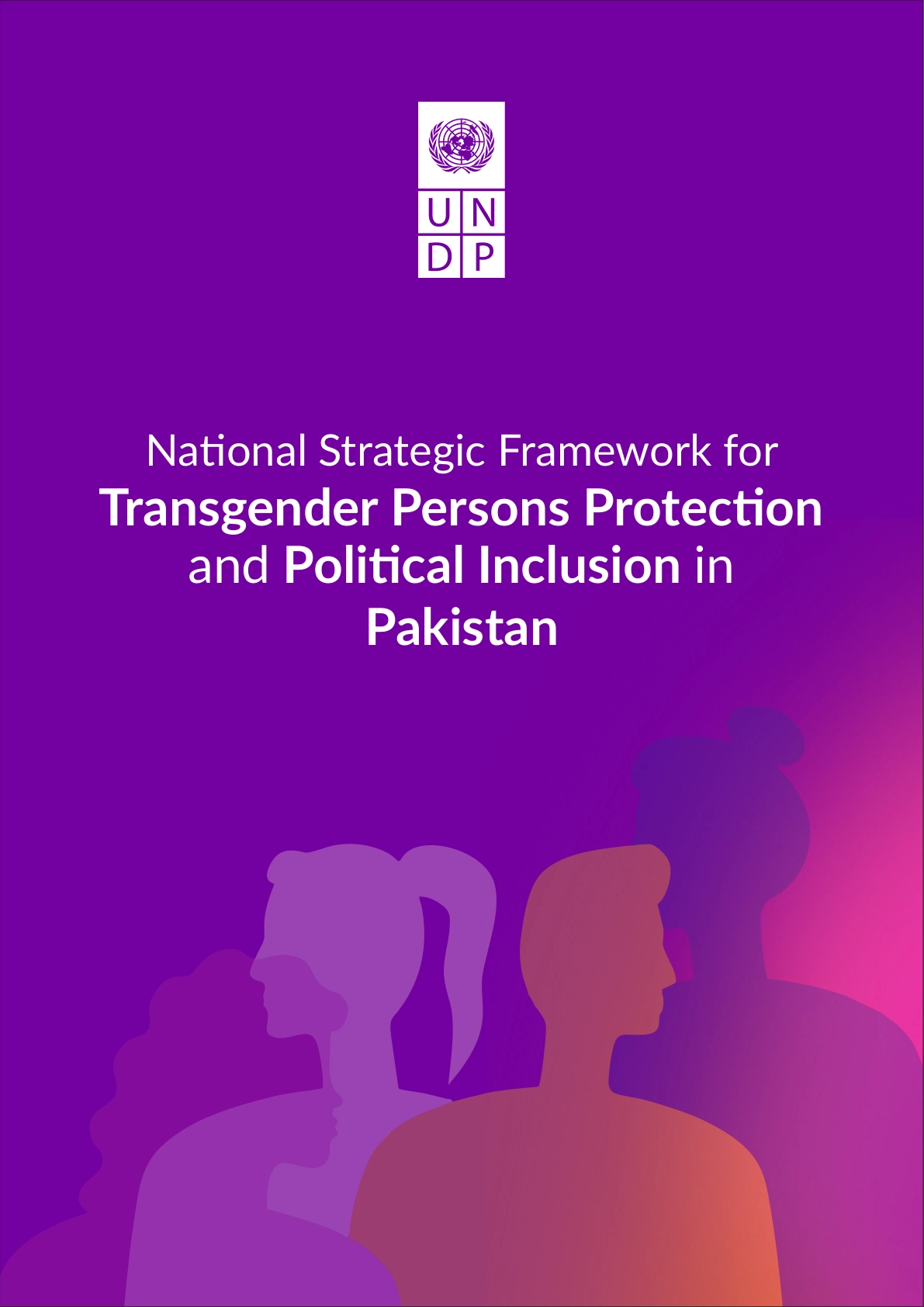
National Strategic Framework for Transgender Persons Protection and Political Inclusion
Guidelines and Toolkits

National Strategic Framework for Transgender Persons Protection and Political Inclusion

The National Strategic Framework for Transgender Persons Protection and Political Inclusion in Pakistan provides a roadmap for promoting the rights, protection, and political participation of transgender persons. Developed by UNDP Pakistan in consultation with relevant institutions and transgender communities, the framework addresses barriers to identity documentation, voting, political participation, and representation. It emphasizes institutional cooperation, awareness, legal protection, and inclusive electoral processes to ensure that transgender persons can participate equally in Pakistan’s democratic system.

2023 English Guidelines and Toolkits Gender Equality
The Transgender Persons (Protection of Rights) Act
National Legislation and Regulations

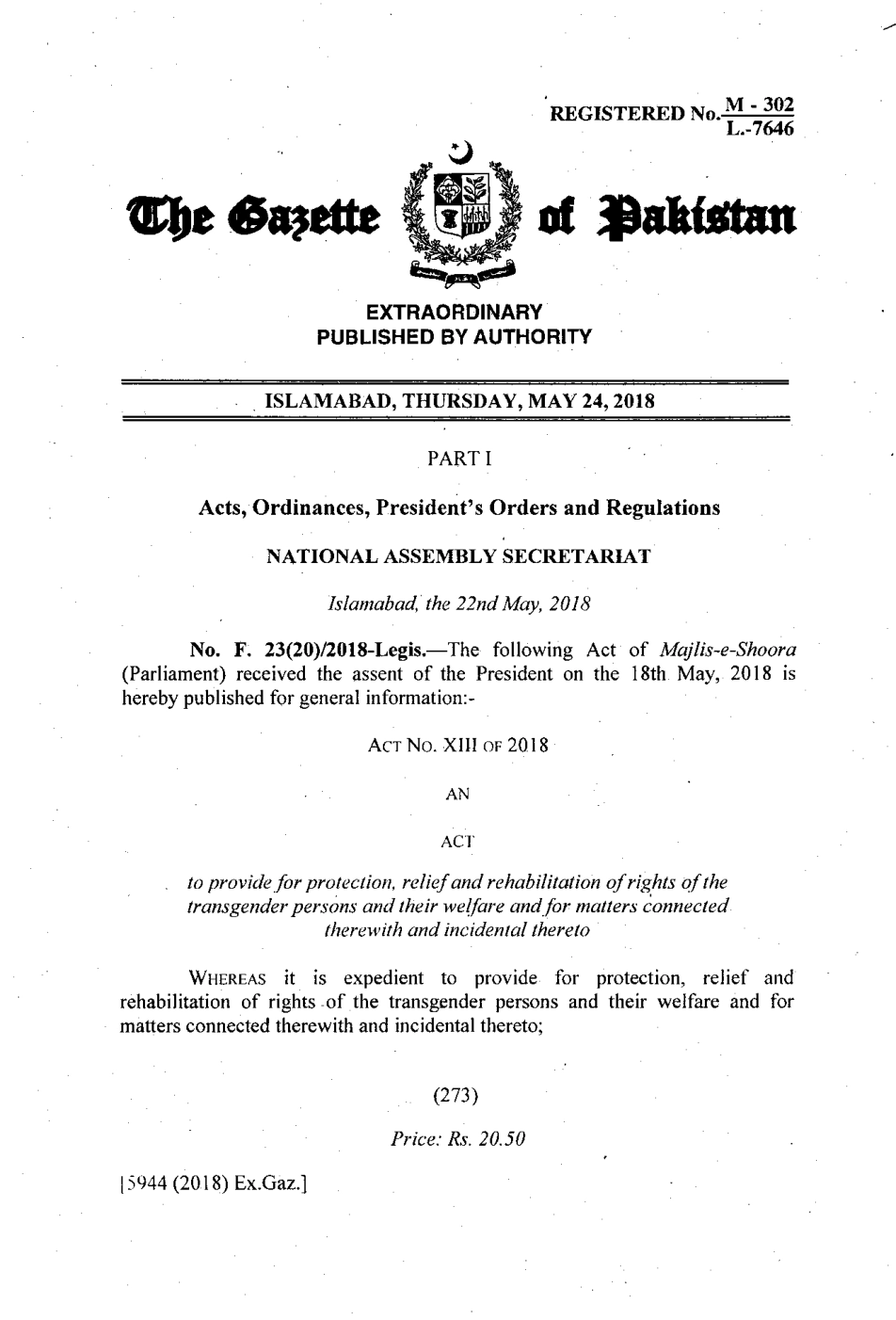
The Transgender Persons (Protection of Rights) Act

The Transgender Persons (Protection of Rights) Act, 2018 is a Pakistani law designed to protect the rights and dignity of transgender persons and ensure their equal participation in society. The Act recognizes transgender persons’ right to self-perceived gender identity and provides legal protections against discrimination in education, employment, healthcare, and access to public services. It also addresses rights related to inheritance, voting, political participation, and access to identity documents. In addition, the Act calls for protection centers and safe houses and prohibits harassment and discrimination against transgender persons. Overall, the legislation establishes a legal framework for equality, protection, and social inclusion of transgender persons in Pakistan.

2018 English National Legislation and Regulations Gender Equality
Women at Work: Closing the Gap
Academic Papers and Research Studies

Women at Work: Closing the Gap

The report Women at Work: Closing the Gap, launched jointly by the European Union, the National Commission on the Status of Women (NCSW), and the United Nations Development Programme (UNDP), examines gender inequality within Pakistan’s private sector and proposes practical reforms to improve women’s economic participation. Despite progress in education and skills development, women’s labour force participation remains around 30 percent, while the gender pay gap exceeds 20 percent. Women remain disproportionately concentrated in low-paid, informal, insecure, and low-authority employment. Drawing on nationwide consultations, interviews, and an assessment of workplace policies and institutional frameworks, the report identifies major barriers to women’s entry, retention, and advancement, including workplace harassment, limited leadership opportunities, weak implementation of gender-responsive policies, and inadequate protections for informal workers. It recommends coordinated reforms in labour governance, workplace protection, leadership development, supply-chain accountability, worker infrastructure, entrepreneurship, and access to remedies. Overall, the report argues that advancing gender equality is essential not only to protecting women's rights but also to achieving inclusive economic growth and sustainable development in Pakistan.

2026 English Academic Papers and Research Studies Gender Equality
Gender Perspecives on the National Climate Change Policy
Policy Briefs and Reports

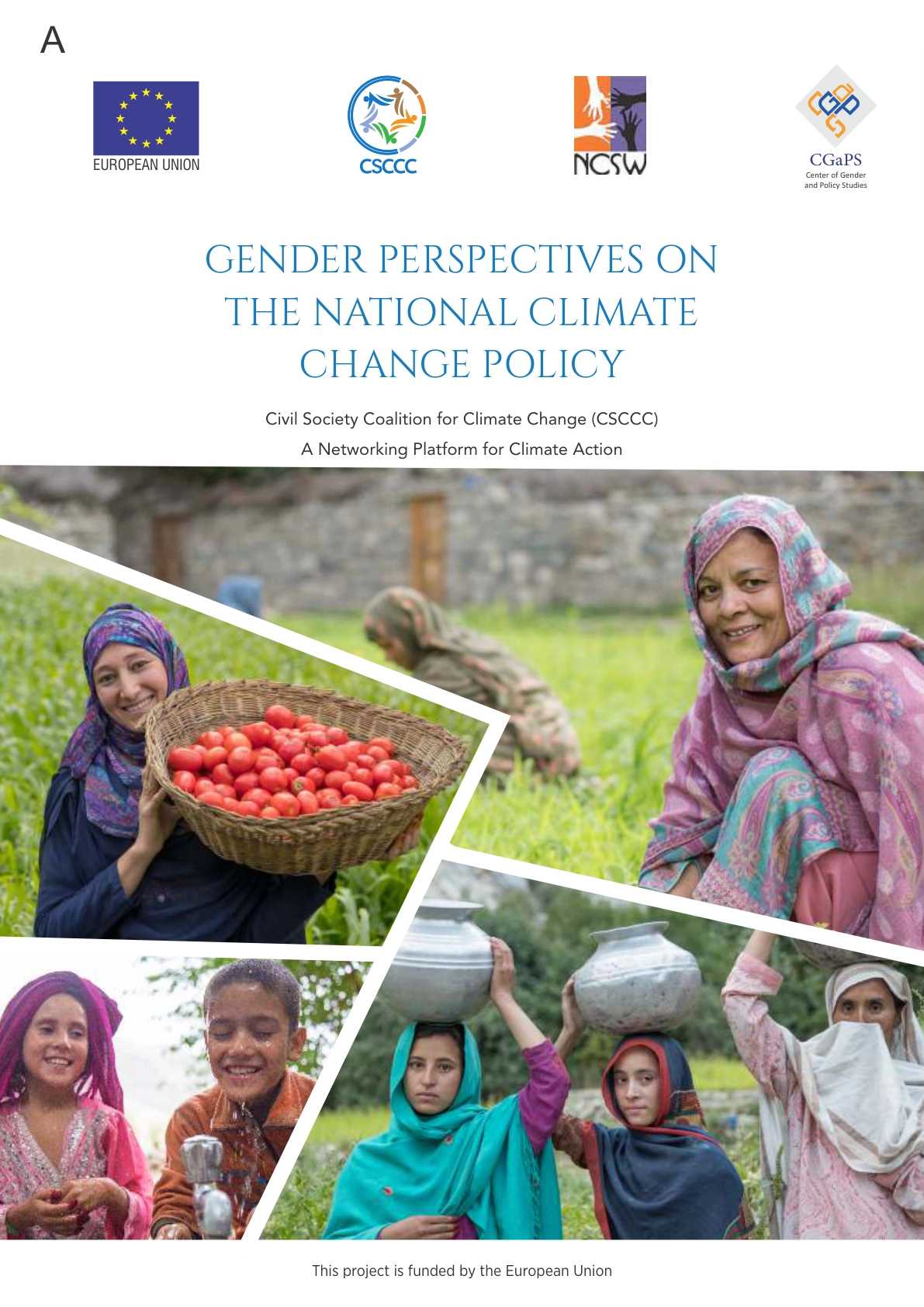
Gender Perspecives on the National Climate Change Policy

Gender Perspectives on the National Climate Change Policy examines Pakistan’s climate change policies from a gender perspective. It highlights how climate change disproportionately affects women, particularly due to their roles in agriculture, water management, household responsibilities, and care work. The report identifies gaps in Pakistan’s National Climate Change Policy regarding women’s participation and gender equality and recommends integrating gender considerations into climate planning, decision-making, adaptation, and disaster-risk management. Overall, it argues that effective climate policy in Pakistan requires women’s meaningful participation and gender-responsive approaches.

2018 English Policy Briefs and Reports Gender Equality
Gender Parity Report- ICT
Policy Briefs and Reports

Gender Parity Report- ICT

Gender Parity Report-ICT examines the status of gender equality in Islamabad Capital Territory (ICT). It assesses women’s participation and representation in areas such as education, employment, health, political participation, and decision-making. The report identifies disparities between women and men and highlights barriers that limit women’s opportunities. It recommends stronger policies, institutional reforms, and gender-responsive measures to improve women’s participation and achieve greater gender parity in ICT.

2025 English Policy Briefs and Reports Gender Equality
Rural Women in Pakistan Status Report
Policy Briefs and Reports

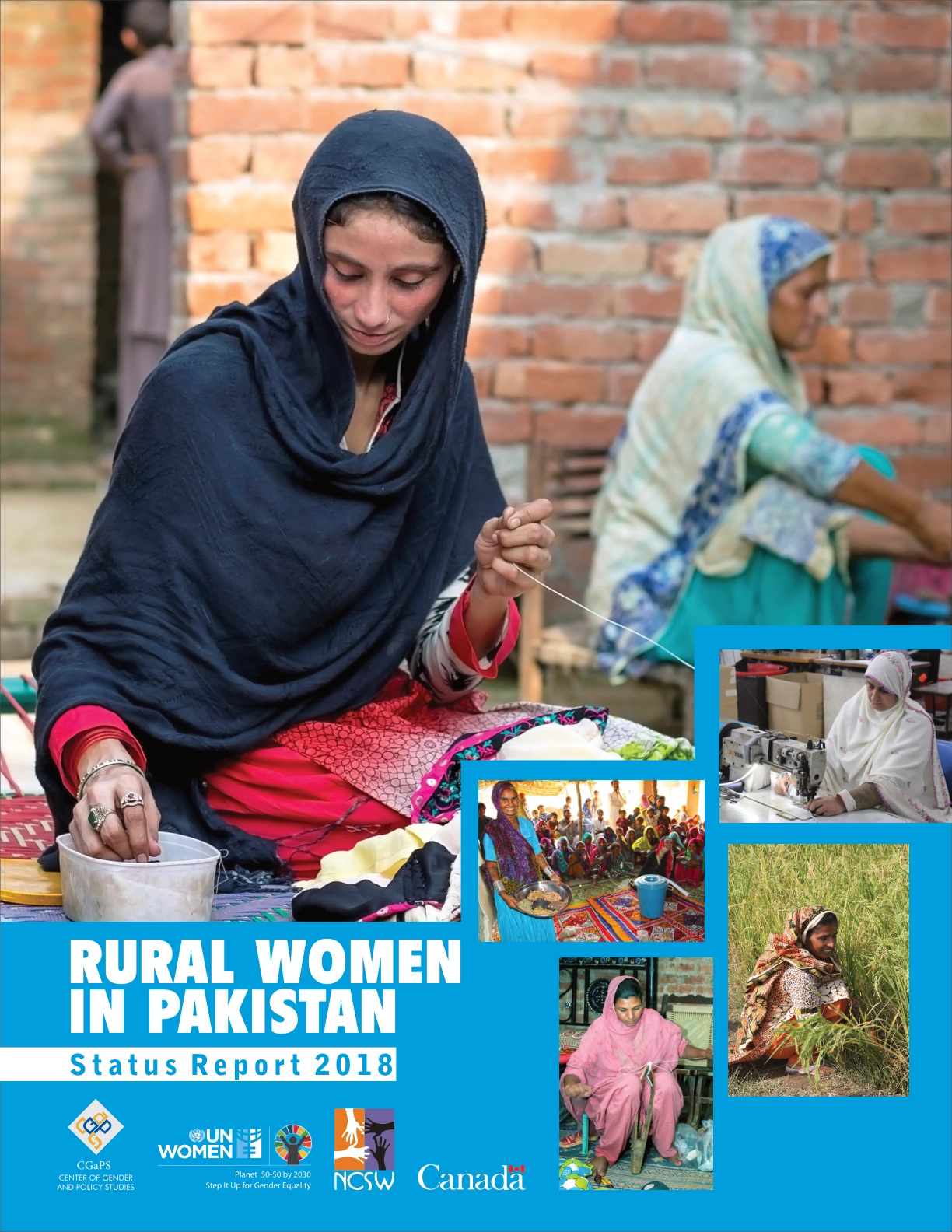
Rural Women in Pakistan Status Report

Rural Women in Pakistan: Status Report 2018 provides a comprehensive assessment of the social and economic conditions of rural women in Pakistan. It examines women’s roles in agriculture, employment, education, health, unpaid care work, access to resources, and decision-making. The report highlights that rural women make major contributions to household and agricultural economies but remain concentrated in low-paid, informal, and vulnerable work. It also identifies barriers such as limited access to education, healthcare, financial resources, technology, and political participation. The report recommends stronger gender-responsive policies, better data, economic opportunities, and institutional support to improve the wellbeing and empowerment of rural women.

2018 English Policy Briefs and Reports Gender Equality
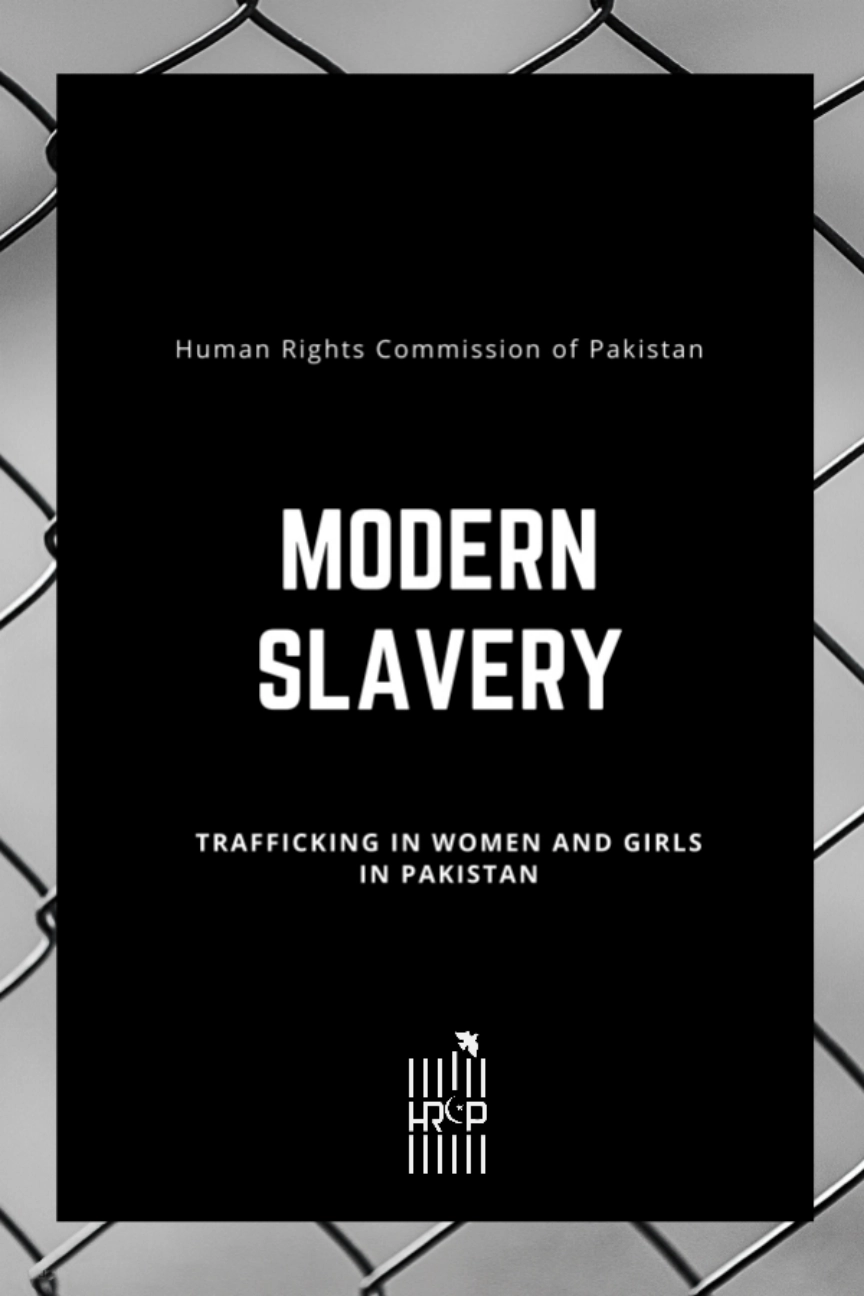
Modern Slavery: Trafficking in Women and Girls in Pakistan
Policy Briefs and Reports

Modern Slavery: Trafficking in Women and Girls in Pakistan

Modern Slavery: Trafficking in Women and Girls in Pakistan examines human trafficking as a form of modern slavery in Pakistan, with particular attention to women and girls. The report identifies Pakistan as a source, transit, and destination country for trafficking and highlights forced labour, domestic servitude, sexual exploitation, forced marriage, forced begging, and bonded labour. The study argues that poverty, unemployment, gender inequality, lack of awareness, and weak enforcement of anti-trafficking laws increase vulnerability to trafficking. It draws on interviews with law-enforcement agencies, government departments, NGOs, international organizations, and trafficking survivors. The report concludes that Pakistan needs better data collection, stronger law-enforcement capacity, improved coordination between institutions, and more effective implementation of existing laws.

2022 English Policy Briefs and Reports Gender Equality