Executive Summary
The report describes a grim year marked by a severe contraction of civic space, plunging judicial independence, rising militancy, and intense pressure on freedom of expression.

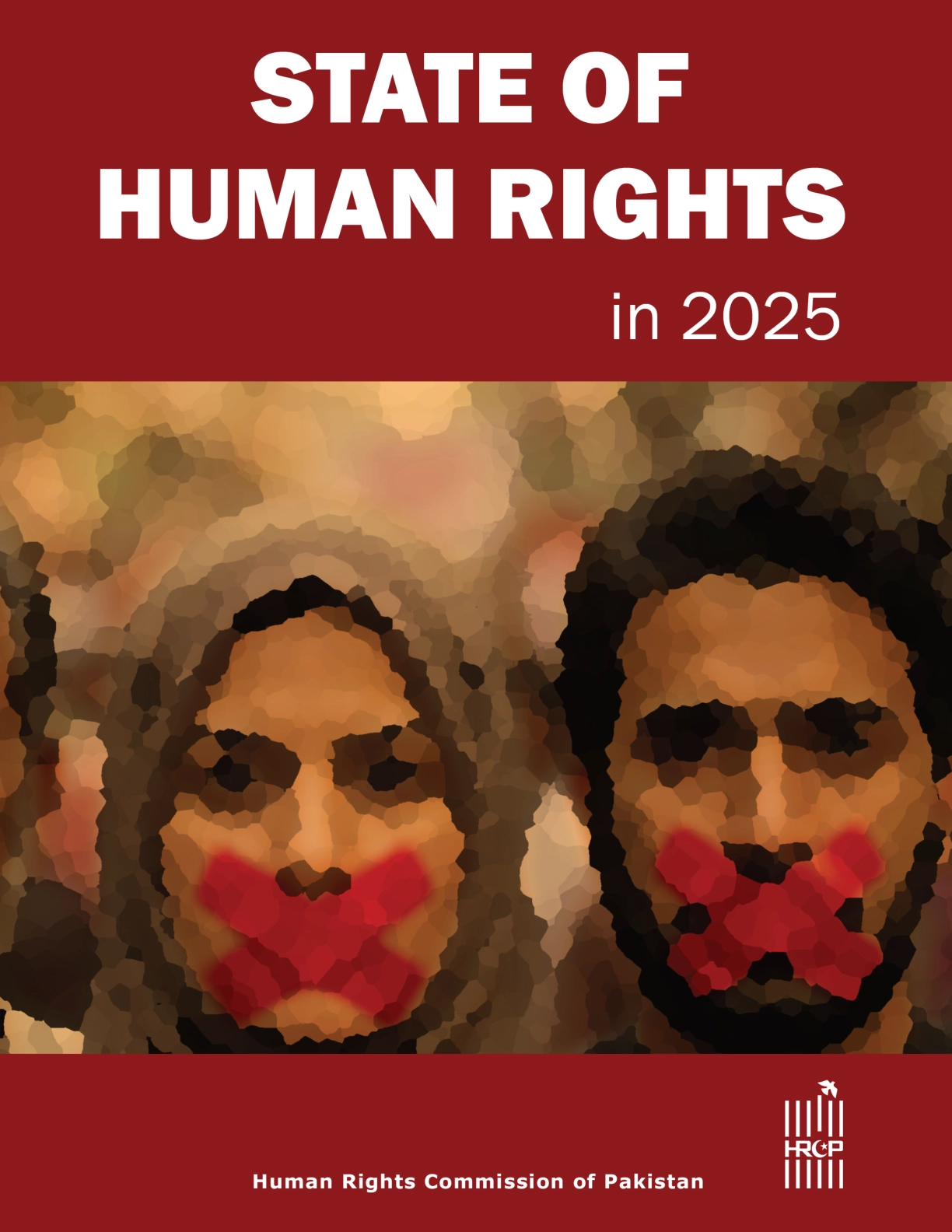
The report describes a grim year marked by a severe contraction of civic space, plunging judicial independence, rising militancy, and intense pressure on freedom of expression.
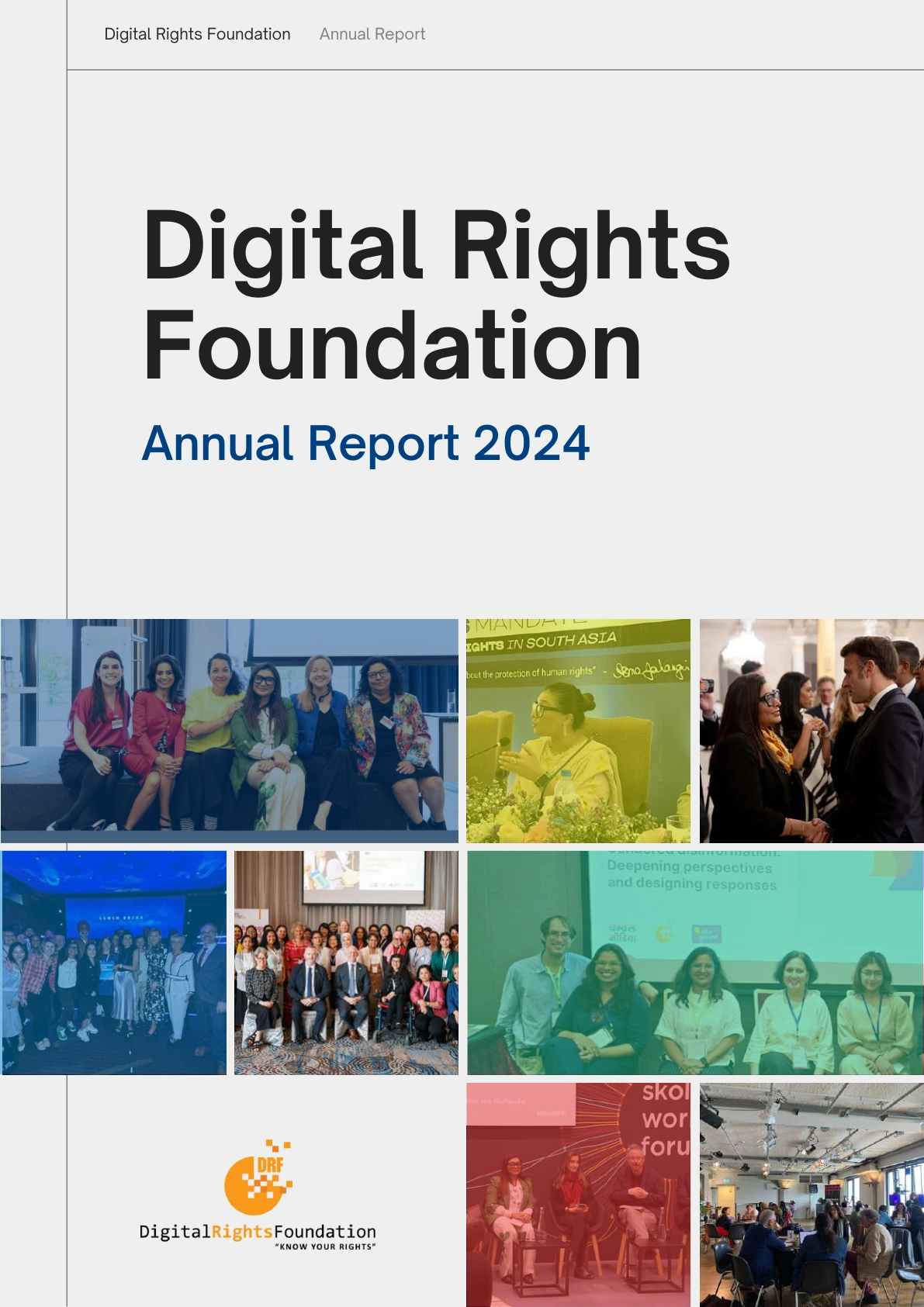
Annual Report hence captures a year of progress, resilience, and impact in our ongoing mission to create a safer, more inclusive digital landscape.
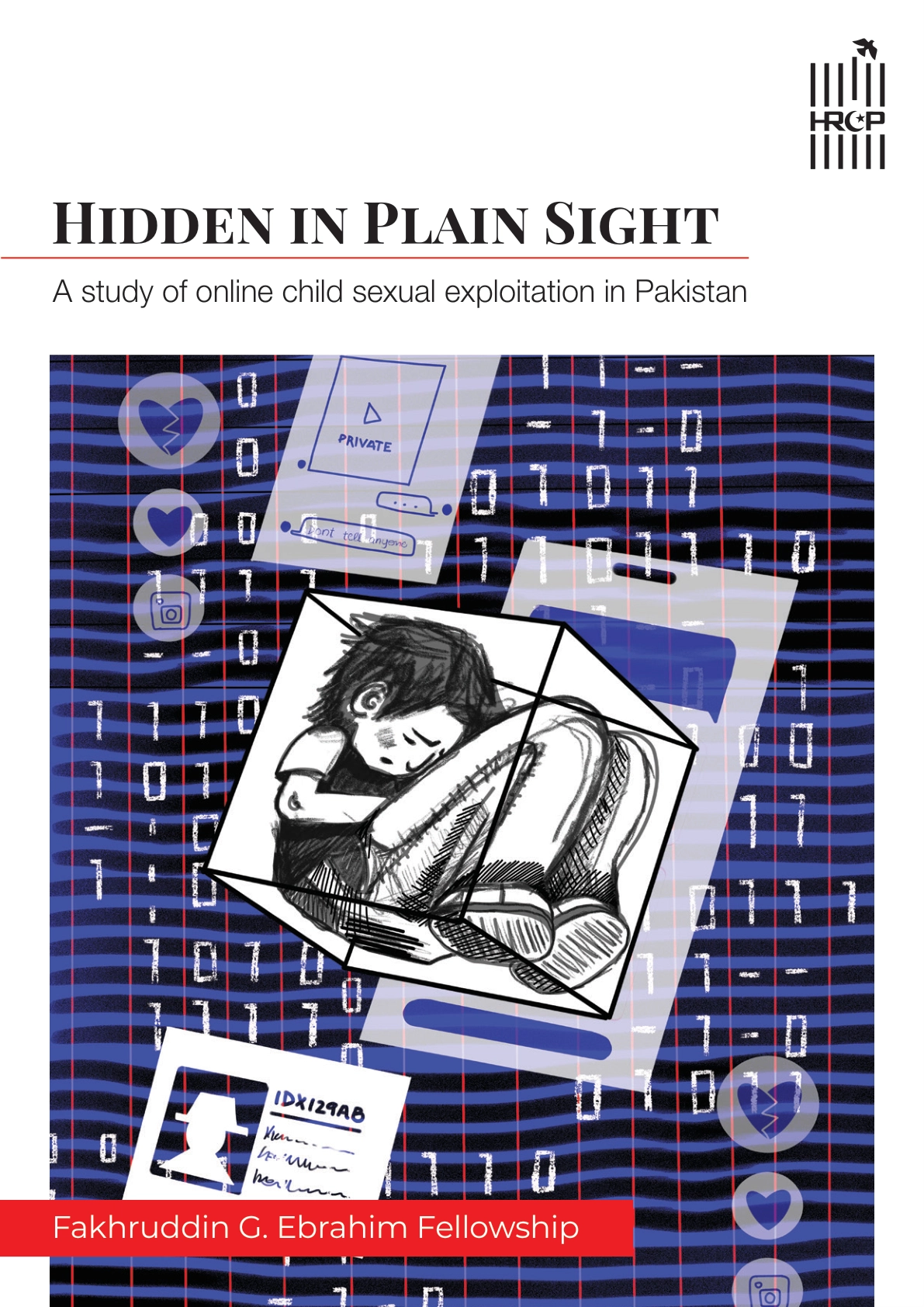
The report examines online child sexual exploitation and abuse (OCSEA) in Pakistan, using the Muzaffargarh case as a key example. It highlights how children are groomed, exploited, recorded, and abused through digital platforms, while weak laws, limited data, poor institutional coordination, and inadequate victim protection allow the problem to persist.
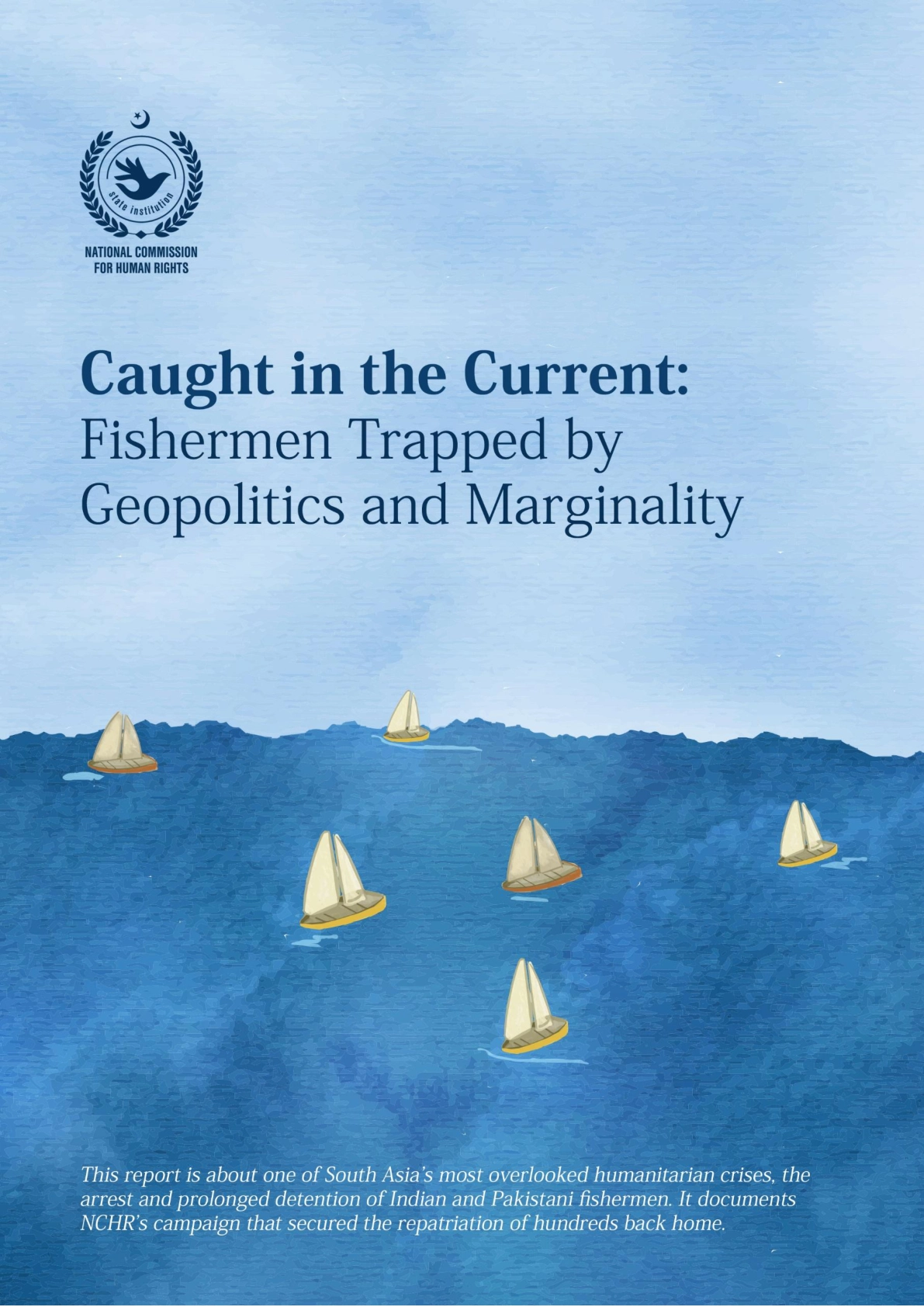
The National Commission for Human Rights (NCHR) report examines the prolonged detention of Indian and Pakistani fishermen who unintentionally cross the poorly demarcated maritime boundary near Sir Creek. It explains how poverty, lack of GPS/navigation equipment, harsh sea conditions, and the unresolved India–Pakistan boundary dispute contribute to these arrests. Detainees often remain imprisoned even after completing their sentences because of delays in nationality verification, consular access, and repatriation. The report highlights NCHR’s intervention in 2023, which helped secure the repatriation of more than 650 Indian fishermen, contributing to 2,661 repatriations since 2014. It recommends reviving the India–Pakistan Joint Judicial Committee, creating a public database of foreign prisoners, establishing fixed repatriation procedures, and assigning government focal persons to handle cross-border detainee cases.
The HRCP report examines the Peaceful Assembly and Public Order Act 2024 and argues that it places excessive restrictions on the constitutional right to peaceful assembly. It highlights concerns about prior permission requirements, restrictions on protest locations, broad powers to ban assemblies, and harsh penalties for violations. HRCP concludes that the Act could limit peaceful protest and freedom of expression and recommends amendments to better protect the right to peaceful assembly while maintaining public order.